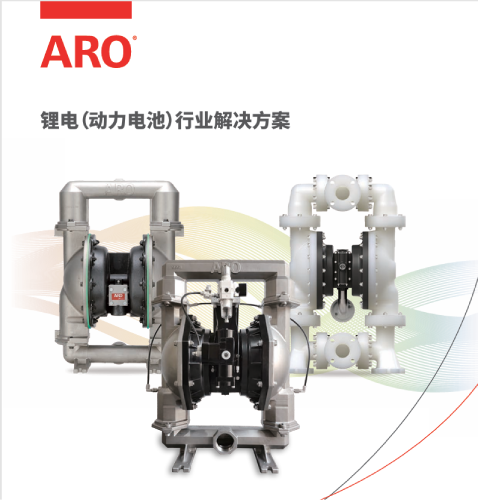

How Is Lithium Battery Slurry Transfer Evolving?
In the past, lithium battery slurry transfer was primarily focused on one question: Can the slurry be transferred effectively?
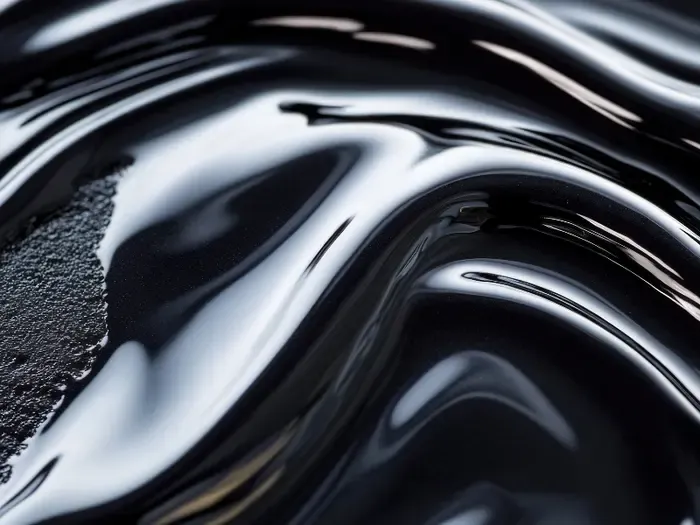
Today, with the rapid development of lithium iron phosphate (LFP), NCM cathode materials, conductive slurries, carbon nanotubes (CNTs), and silicon-based anode materials, battery slurries are becoming increasingly characterized by high solids content, high abrasiveness, high value, and extreme sensitivity to contamination.
As a result, transfer systems must do more than simply move material from one process to another. They must ensure that the slurry remains stable throughout the entire transfer process, preventing contamination and preserving its structural integrity.
For sand mills, feed stability is directly linked to the final grinding performance.
Any fluctuation in slurry feed can reduce grinding efficiency and production capacity. In more severe cases, it can lead to inconsistent particle size distribution, compromise product uniformity, and even result in the rejection of an entire production batch.
_(1)-1.webp?auto=webp&width=1600&quality=75)