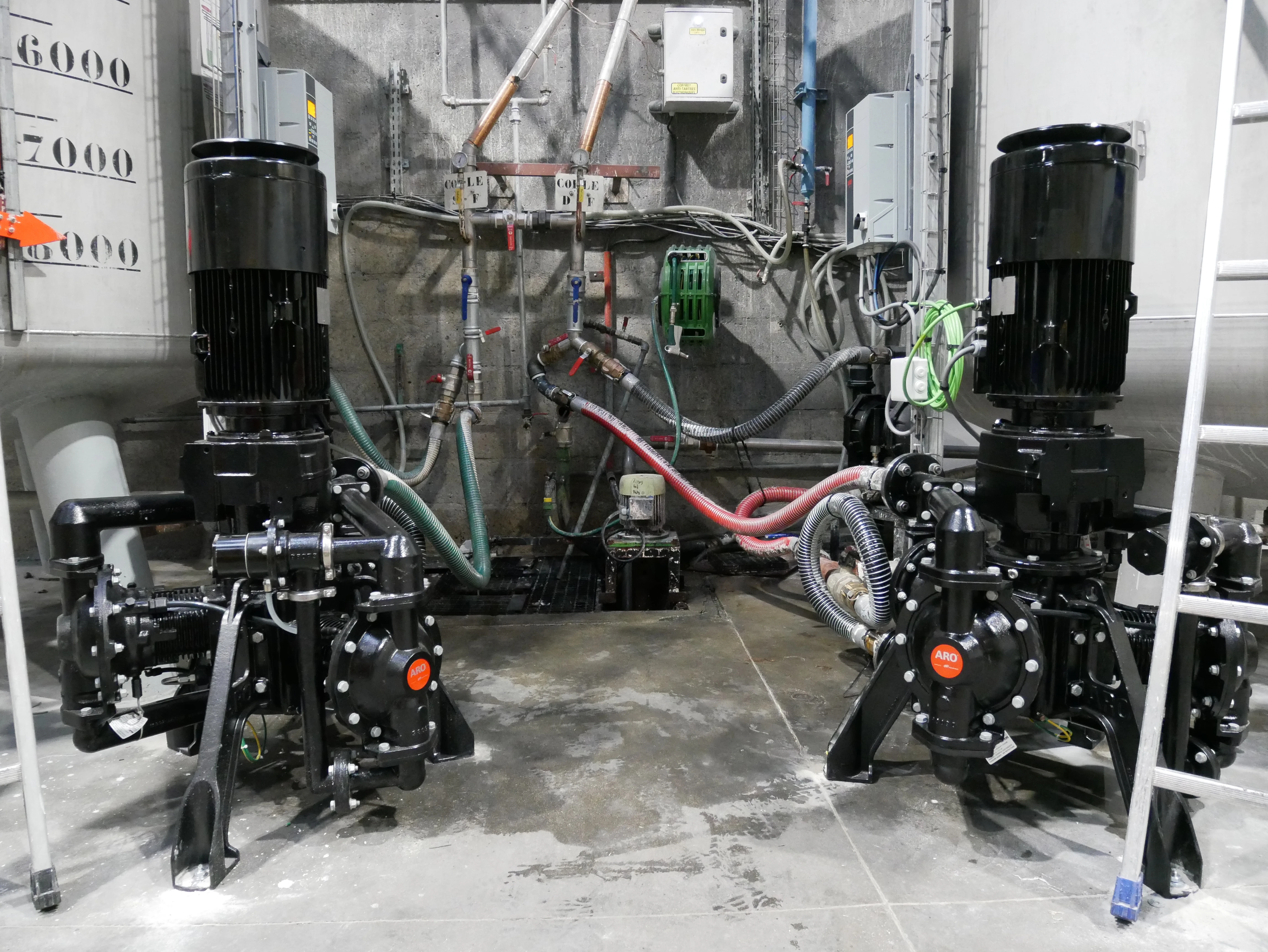
Unleashing the Power of Energy Efficiency: Benefits of the ARO® EVO Series™ Pump.
June 15, 2023 – In today's rapidly evolving industrial landscape, energy efficiency has become a paramount concern for lots of industries. As companies try to minimize their carbon footprint and reduce operational costs, the demand for energy-efficient pumps has never been higher.
Ingersoll Rand's ARO brand has been at the forefront of manufacturing diaphragm and piston pumps for over 90 years, delivering global innovative solutions to industries. One of the most remarkable achievements is the EVO Series™ electric diaphragm pump, which stands as the best-in-class pump choice for energy consumption. With its cutting-edge technology and exceptional performance, the EVO Series ™ of ARO has set new standards for energy-efficient pumping systems among positive displacement technologies.
The ARO EVO Series™ Pump: Revolutionizing Energy Efficiency
The ARO EVO Series™ electric diaphragm pump represents a breakthrough in pump technology, boasting unparalleled energy efficiency. This series is engineered to optimize performance while minimizing energy consumption, making it an ideal choice for businesses seeking to reduce their carbon footprint and operating costs. With its state-of-the-art design, the ARO EVO Series™ pump offers superior performance in a wide range of applications , including fluid transfer, chemical processing , wastewater treatment , and more.
Energy Efficient Design
The EVO Series™ pump incorporates a host of innovative features that contribute to its exceptional energy efficiency. It is equipped with advanced electric motor technology, specifically designed to deliver maximum power with minimal energy input. This ensures that the pump operates at optimal efficiency, minimizing energy wastage and reducing overall power consumption.
Furthermore, the pump's intelligent control system ensures a motor variable speed based on demand, further optimizing energy usage. It provides significant savings compared to other technologies such as progressive cavity pumps, centrifugal pumps or other process pumps. This dynamic control mechanism ensures that the pump operates at the required flow rate without consuming excess energy during periods of low demand. As a result, processes can enjoy substantial energy savings without compromising performance.